1. The Full Device List with Placement Guide
Here is every device recommended for a typical 3-bedroom, 2-bathroom US home with a garage and backyard, with exact placement guidance:
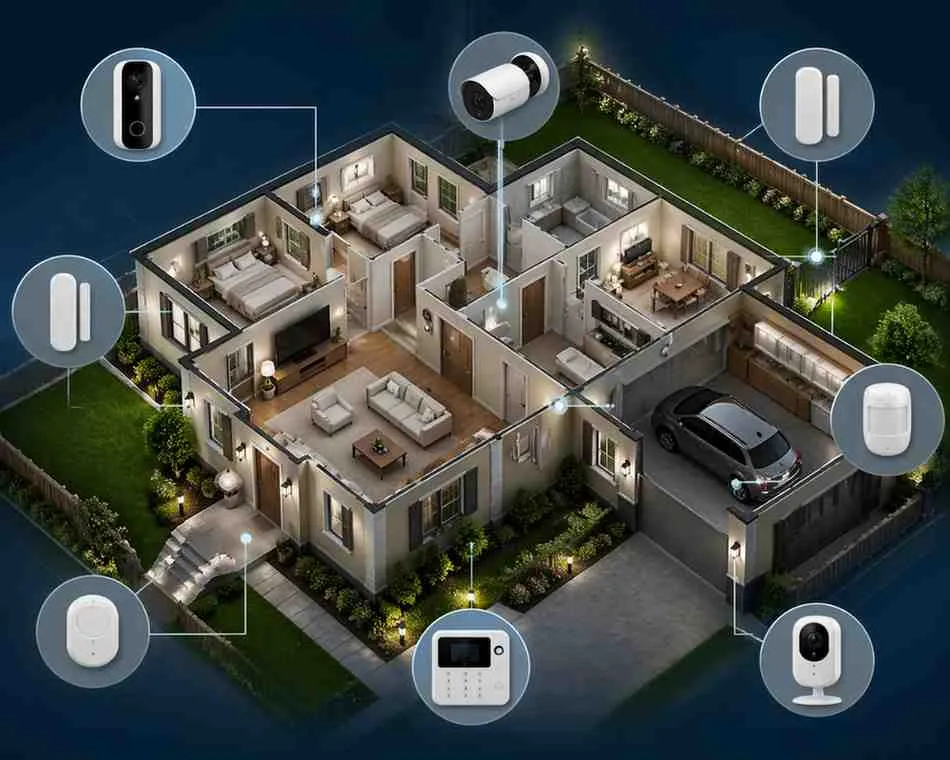
Swipe Right
| Device | Quantity | Location | Purpose |
|---|---|---|---|
| Video doorbell | 1 | Front door | Covers primary entry point and package theft |
| Outdoor camera | 2 to 3 | Back door, garage/driveway, side gate | Perimeter coverage |
| Door sensor | 4 to 5 | All exterior doors including garage | Entry point detection |
| Window sensor | 4 to 6 | Ground-floor windows | Window intrusion detection |
| Motion sensor | 2 to 3 | Main hallway, living room, staircase | Indoor movement detection |
| Glass break sensor | 1 to 2 | Living room, ground-floor rooms | Detects forced window entry |
| Control panel | 1 | Accessible interior location | System hub and keypad |
| Indoor camera (optional) | 1 | Main hallway | Secondary indoor detection |
2. The 3 Zones Every 3-Bedroom Home Security System Must Cover
Think of your home security in three protective zones, built from the outside in:
Zone 1: Exterior Perimeter
This is your first and most important line of defence. It deters and detects before anyone reaches your door.
›
Video doorbell at the front door with two-way audio and motion detection
›
Outdoor cameras covering the back door, driveway or garage, and any blind-spot side passages
›
Motion-activated exterior lighting at all covered areas — visible deterrence that works day and night
Zone 2: Entry Points
Entry point sensors detect the moment a door or window is breached, triggering the alarm immediately.
›
Door sensors on all exterior doors: front, back, garage entry, and any side door
›
Window sensors on all ground-floor windows, especially those on the sides and rear of the property
›
Glass break sensor in the main living area to detect forced window entry
Zone 3: Interior Detection
Interior sensors catch movement if someone gets past the first two zones without triggering a perimeter sensor.
›
Motion sensor in the main hallway — the choke point for the entire home
›
Motion sensor at the staircase landing if the home has two floors
›
Motion sensor in the living room covering the central area of the home
3. Cost Estimates by Setup Level
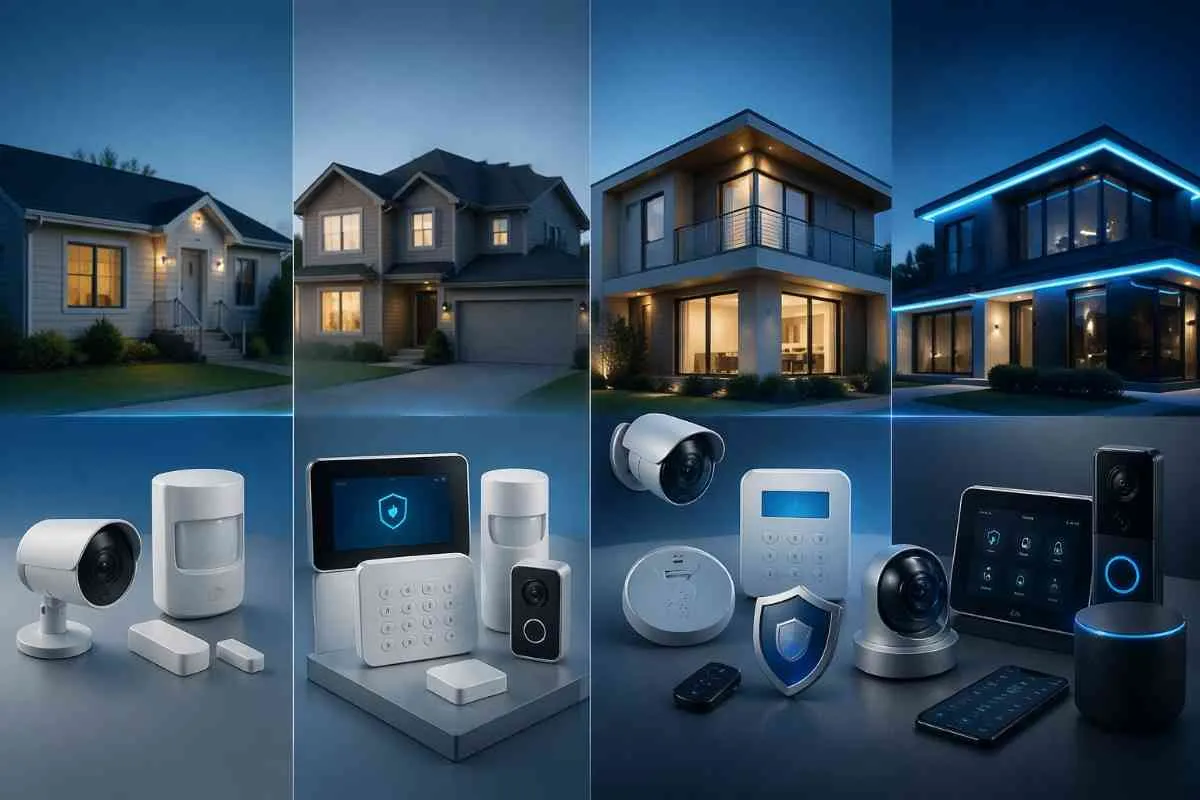
Here is what a full 3-bedroom home security setup costs in 2026 across four budget levels:
Swipe Right
| Setup Level | Equipment Cost | Installation | Monthly Monitoring |
|---|---|---|---|
| Budget DIY | $350 to $550 | $0 | $20 to $30 |
| Mid-Range (DIY + pro monitoring) | $500 to $800 | $0 | $25 to $40 |
| Full Professional Install | $800 to $1,400 | $200 to $400 | $30 to $50 |
| Premium Smart Home System | $1,200 to $2,000+ | $300 to $500 | $40 to $60 |
Pricing Disclaimer: Cost estimates above are based on publicly available 2026 market data from multiple sources. Actual costs vary by brand, equipment choice, and location. Always confirm current pricing with your chosen provider before purchasing.
4. Entry Points to Prioritise for a 3-Bedroom Home
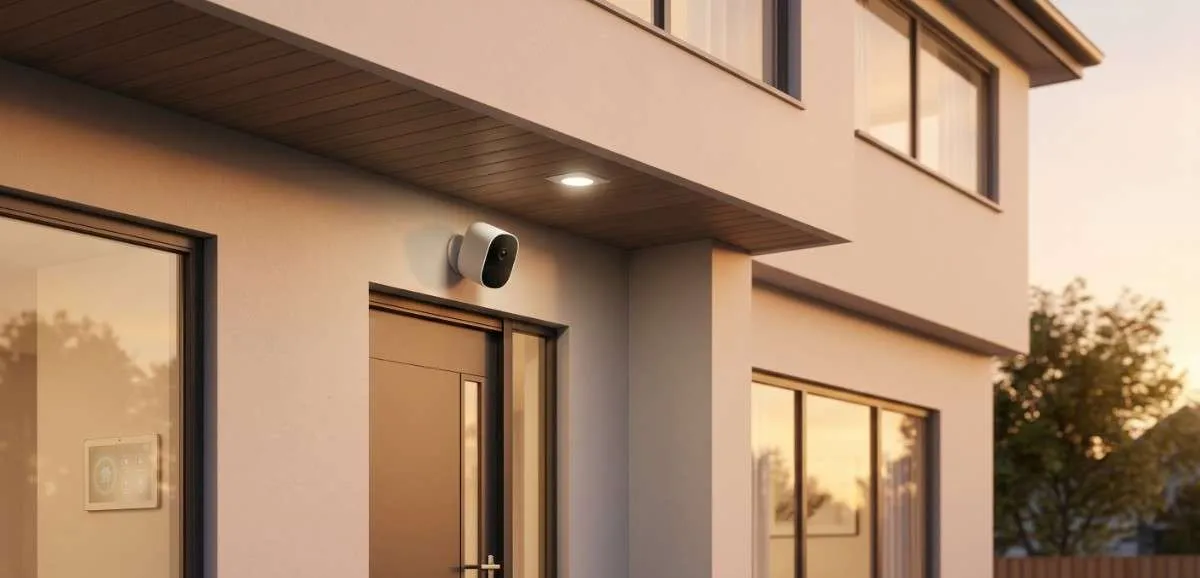
According to FBI crime data, residential burglaries in the US most commonly enter through these points:
Swipe Right
| Entry Point | Security Recommendation |
|---|---|
| Front door | 34% of break-ins — always prioritise this with a door sensor and video doorbell |
| Back door | 22% — outdoor camera and door sensor mandatory |
| Ground-floor windows | 23% — window sensors on all accessible windows |
| Garage | often overlooked but the garage-to-home interior door is a prime target |
| Basement entry | frequently forgotten in security plans — door sensor minimum |
5. DIY vs Professional Setup for a 3-Bedroom House
Both DIY and professional installation work well for a 3-bedroom home. The choice depends on your budget and how much you trust your own placement decisions.
Swipe Right
| DIY Setup: Best For | Professional Setup: Best For |
|---|---|
| Budget-conscious homeowners comfortable with technology | Two-story homes where staircase and hallway coverage is more complex |
| Renters or owners who may move within 2 to 3 years | Homeowners who want expert placement and no setup errors |
| Simpler single-floor layouts | Families with children where comprehensive coverage without blind spots is critical |
| with straightforward entry points | Anyone who wants the full homeowners insurance discount (professional monitoring certificate) |