Emergency Response Co-ordination with Management. What Happens the Moment Your Alarm Goes Off
A step-by-step look at how your home security system gets help to your door - fast.
When your home security alarm triggers, a precise sequence of events begins immediately. Within seconds, trained professionals are notified, your situation is assessed, and emergency services may be dispatched if needed. All without you having to make a single call.
When seconds matter, you don’t want to wonder what happens next. You want to know help is already on the way. This page explains exactly how that process works, what happens in each type of emergency, and what you can expect at every stage of the response.
Trusted by thousands of homeowners, our monitoring partners follow proven emergency response protocols designed for speed, accuracy, and reliability.
What Happens After Your Alarm Triggers - Step by Step
The full emergency response sequence, from the moment a sensor activates. Understanding exactly what happens after your alarm triggers gives you confidence that your home is in good hands, even when you're asleep, unavailable, or away from home.
Your Security System Detects a Threat
A sensor such as door, window, motion, smoke, or CO detector activates and triggers your alarm system. This happens automatically, with no action required from you.
The Alarm Signal Is Sent to the Monitoring Center
Within seconds of the trigger, a signal is transmitted to the professional monitoring center. The type of alert intrusion, fire, or CO is identified immediately so the right response protocol begins straight away.
The Monitoring Center Attempts to Reach You
Before dispatching emergency services, the monitoring team tries to contact you using the details on your account, typically a phone call to your primary number, followed by any secondary contacts if needed. This step helps confirm whether the alert is genuine or a false alarm.
You Confirm or the Team Acts Without You
If you confirm an emergency, the monitoring center contacts the appropriate emergency services based on the situation and local response protocols. If you cannot be reached, the monitoring center follows predefined emergency protocols, which may include contacting emergency services based on the type of alert.
Emergency Services Are Dispatched
The monitoring center contacts the appropriate emergency services and provides your address and relevant details to support a faster response.
You Are Kept Updated Throughout
Once services are dispatched, the monitoring team continues to keep you informed by phone or through your app, so you always know what is happening, what has been done, and what to expect next.
The response process is designed to move as quickly as possible once an alert is received, although exact timing can vary depending on location, network conditions, and emergency service availability.
Want to know how this works with your home setup?
How the Response
Differs by Emergency Type
Burglary, fire, and carbon monoxide each require a different response. Here's how each one works.
Not all emergencies are handled the same way. The type of threat detected determines which emergency service is contacted, how urgently they are called, and what instructions are given. Here's how each type of emergency is handled.
Burglary and Intrusion
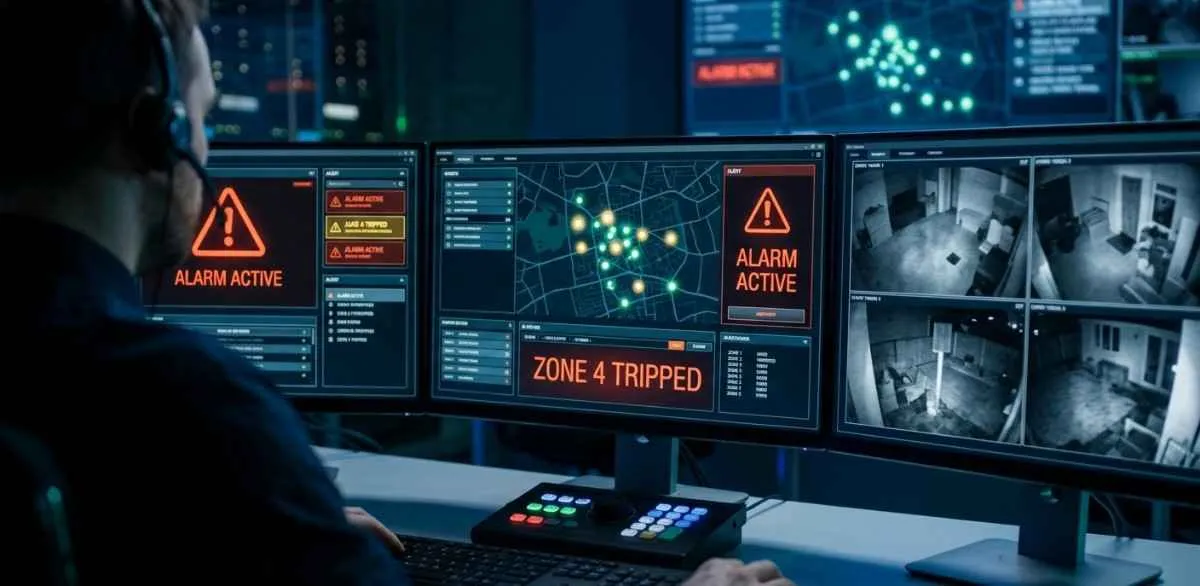
When a door sensor, window sensor, or motion detector is triggered unexpectedly, the monitoring center is alerted to a potential intrusion. the team attempts to reach you first. If you confirm an intruder or cannot be reached, the monitoring center may contact local law enforcement based on the situation and verification process. If your alarm siren is active, this is also noted when contacting the police, as it indicates an active event rather than a precautionary check. The monitoring team stays on the line with emergency services until the situation is resolved.
Fire and Smoke
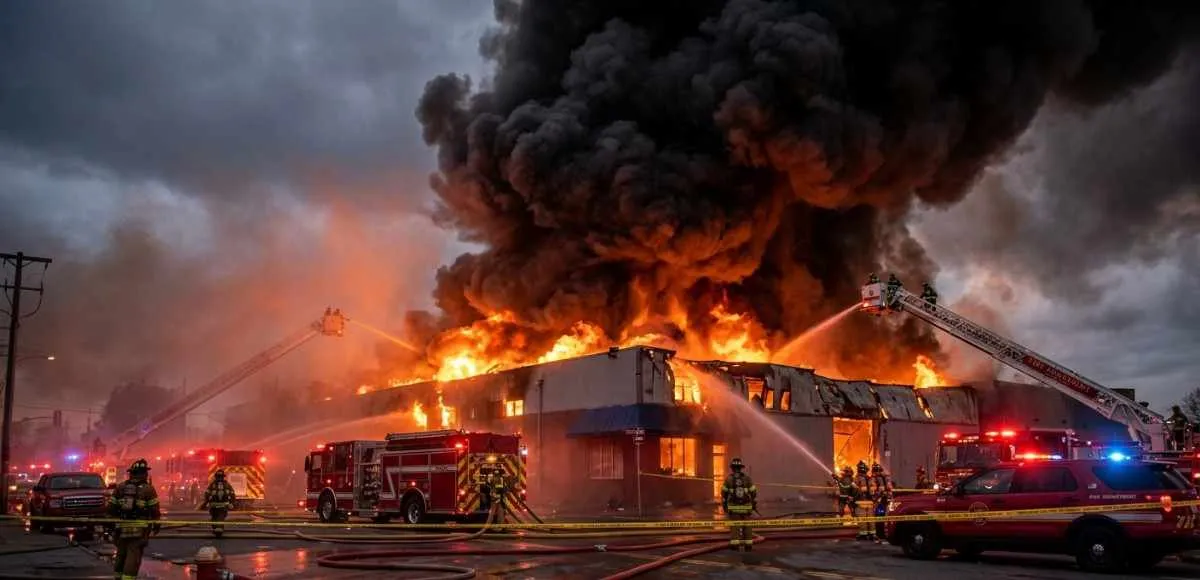
A fire emergency is treated with the highest urgency. When a smoke detector triggers, the monitoring center does not wait for a lengthy verification process. Fire spreads quickly, and speed of response is critical. The monitoring center prioritizes fire alerts and may contact emergency services as quickly as possible based on established response protocols. If the monitoring team can reach you and you confirm it is a false alarm, such as smoke from cooking, the call can be cancelled. If you cannot be reached or confirm a real fire, the fire department is dispatched without delay and you are advised to evacuate immediately if you are home.
Carbon Monoxide
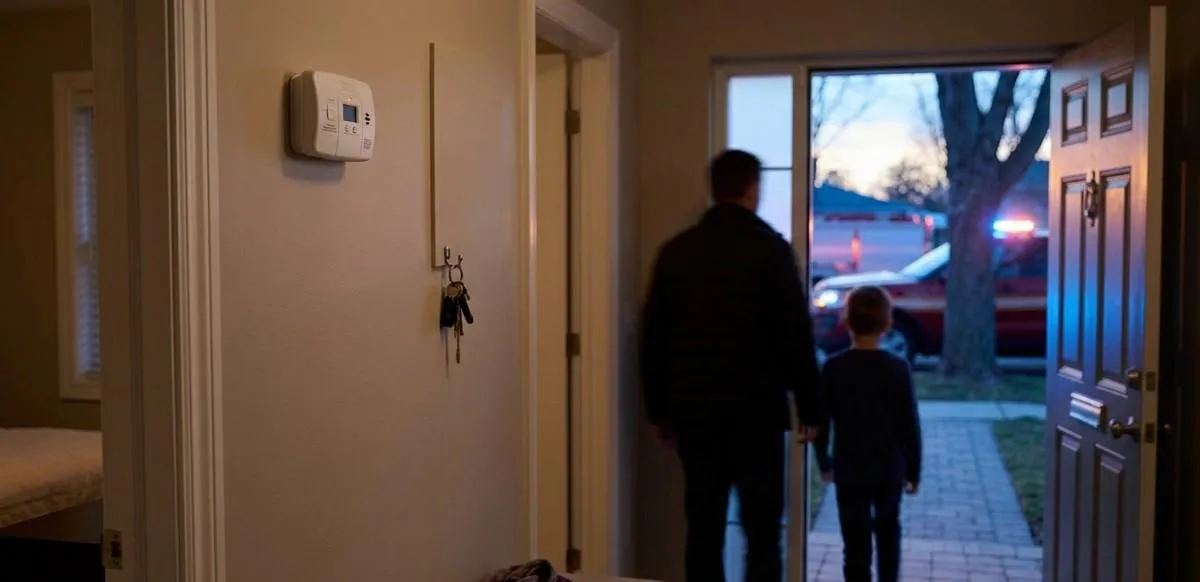
A CO alarm is one of the most serious alerts a monitoring center can receive. Carbon monoxide is odourless and colourless. By the time a person notices symptoms, levels may already be dangerous. When a CO detector triggers, the monitoring center may contact emergency services quickly based on the severity of the alert and response protocols. You are also contacted and advised to evacuate the property straight away. Do not stay inside to investigate the source. Fresh air is the priority. Emergency responders will assess the property and identify the source once it is safe to do so. This is one emergency type where the standard verification call is shortened. The risk of delay outweighs the risk of a false alarm response.
What Happens If You Can't Be Reached During an Emergency?
Your home is protected even if you don't answer. Here's exactly what happens. One of the most common concerns homeowners have is: what if I miss the call? What if my phone is off, I'm in a meeting, or I simply don't pick up in time? The answer is straightforward: your home does not go unprotected because you didn't answer a call.
Primary contact is tried first
The monitoring center calls your primary number. If there is no answer within a set timeframe, they move to the next step immediately, they follow predefined response timelines and protocols
Secondary contacts are tried
If a secondary emergency contact is on your account - a family member, neighbour, or trusted person, the monitoring team attempts to reach them as well.
Emergency services are dispatched regardless
If neither contact can be reached and the situation warrants it, emergency services may be contacted based on the type of alert and monitoring protocols. The monitoring team does not wait for a response before acting in a genuine emergency.
Fire and CO get immediate dispatch
For fire and carbon monoxide alerts specifically, the bar for dispatch without contact is lower. Given the life-threatening nature of these emergencies, the monitoring team may act with greater urgency and reduced reliance on verification based on the type of alert.
Make sure your account always has an up-to-date secondary emergency contact. This helps the monitoring team work through the process faster and gives you an extra layer of coverage if your primary phone is unavailable.
What Happens if It's a False Alarm?
False alarms happen. Here's how they are handled quickly and without unnecessary disruption.
False alarms are a normal part of owning a home security system. They can be triggered by a pet moving unexpectedly, a door left open in a draft, cooking smoke, or accidentally forgetting to disarm before entering. Knowing how to handle them quickly keeps the process smooth for everyone.
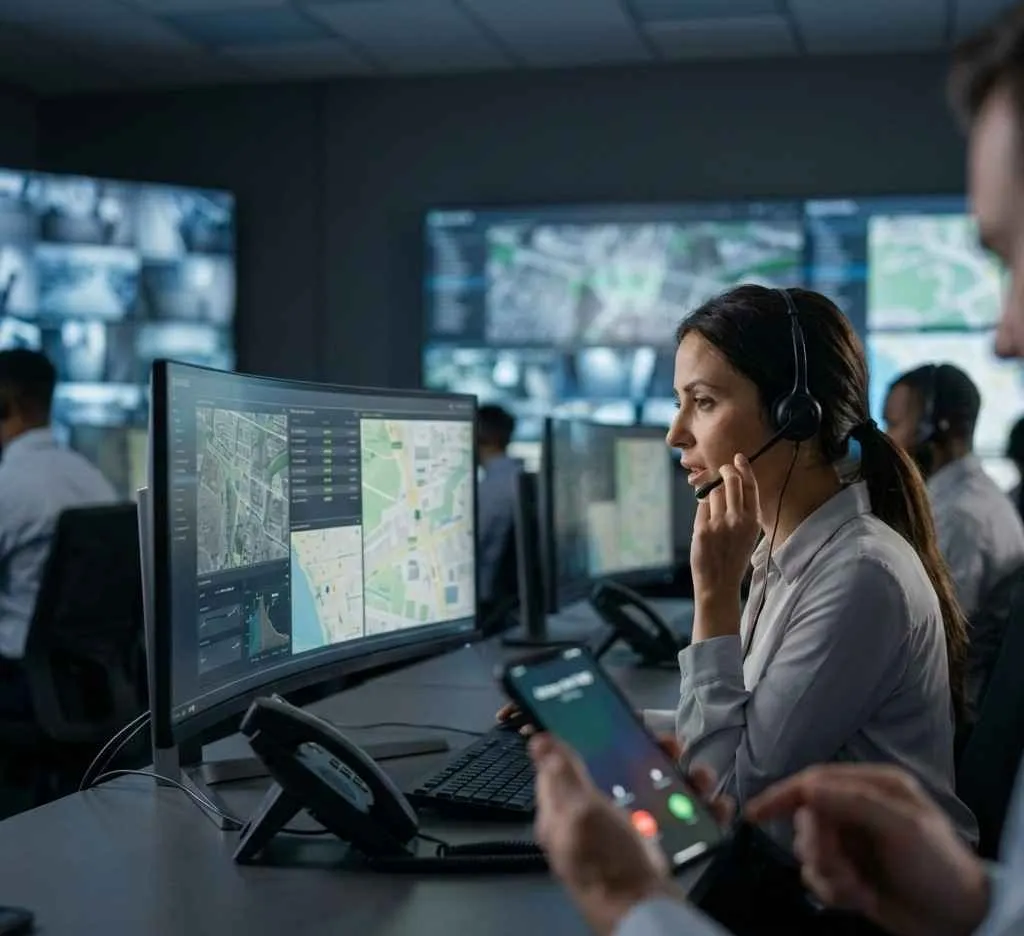
The monitoring center contacts you
As soon as an alert comes in, the monitoring team calls you. If you answer and confirm it is a false alarm, the process stops there. No emergency services are dispatched, and no further action is taken.
You provide your security password
To confirm a false alarm cancellation, you will be asked for your pre-set account security password. This prevents anyone from cancelling a genuine emergency by pretending to be the homeowner.
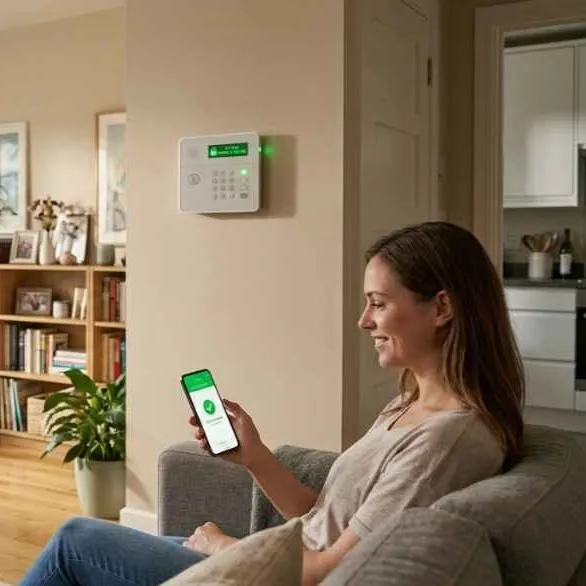
The alert is cancelled
Once your identity and cancellation are confirmed by both you and the monitoring center, the alert is cancelled and logged. No dispatch is made.
You reset your system
After cancelling the alert, you disarm your system through the app or your security panel. Everything returns to normal and your home continues to be monitored as usual.
If you accidentally trigger your alarm and want to cancel before the monitoring center calls, you can disarm the system through the app or control panel, which may help indicate that the alert is not an emergency, while the monitoring team continues verification.
Typical Emergency Response Timeline
What the alarm response time looks like from trigger to dispatch.
While every emergency is different and exact timing depends on a range of factors, the following timeline is a general example of how the process may unfold in many situations.
0–10 seconds: Alarm triggers
Your sensor activates, the alarm sounds, and the alert signal is transmitted to the monitoring center.
10–60 seconds: Signal Review
The monitoring team identifies the type of alert, reviews your account details, and begins the contact process.
1–3 minutes: Contact Attempt
The monitoring center attempts to contact you and your designated emergency contacts to verify the situation. For fire and CO, this step is shortened given the urgency.
3–5 minutes: Dispatch
If an emergency is confirmed or contact cannot be made, then emergency services may be contacted and provided with your address and relevant situation details based on the type of alert and response protocols..
Ongoing: Resolution
The monitoring team continues to update you throughout the response until the situation is addressed or assistance is no longer required.
Actual response times may vary depending on the type of emergency, system configuration, location, network conditions, and local emergency service availability.
Frequently Asked Questions
Know That Help Is Always on the Way
Fast, coordinated emergency response. Built into every home security setup.
A home security system is only as effective as the response behind it. Knowing exactly what happens when your alarm goes off, who gets called, how quickly, and what they do - gives you real confidence that your home and family are protected.
Emergency response coordination is not an afterthought. It is built into every security setup we arrange, backed by professional 24/7 monitoring, and designed to help get the right assistance to your door as quickly as possible.
Speak with a Brocus advisor today to understand exactly how your emergency response would work and make sure your home is set up for the fastest possible response when it matters most.
Related Home Security Services and Products
Industry-tested hardware built to work seamlessly together for 24/7 protection.
24/7 Professional Monitoring
A dedicated monitoring center that responds immediately to any security alerts.
Professional Home Security Installation
Expert setup for reliable performance from day one.
Smart Home Integration
Connect and automate your security with smart devices.
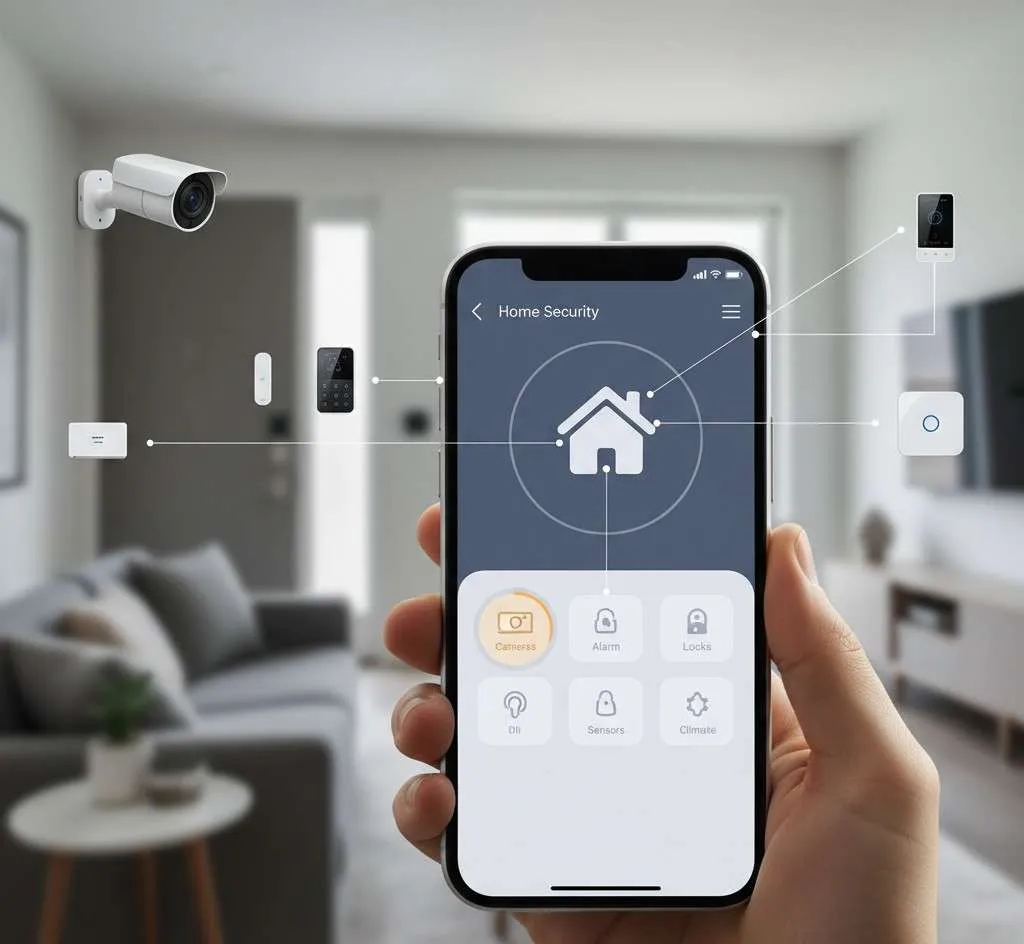
Smart Home Security App
Live cameras, smart locks, alarms, sensors, and home automation.
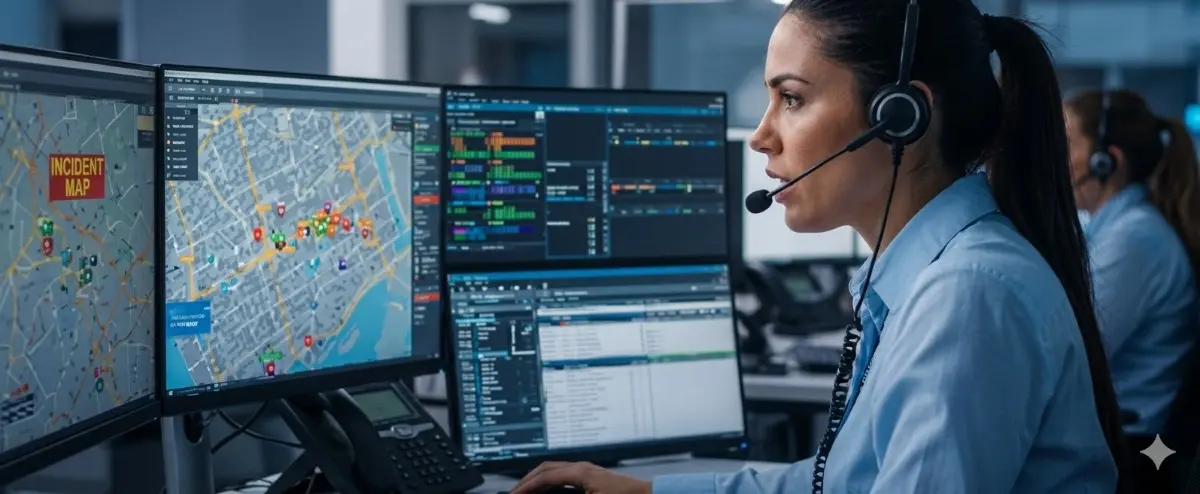
Emergency Response Management
Fast emergency response when an alarm is triggered.
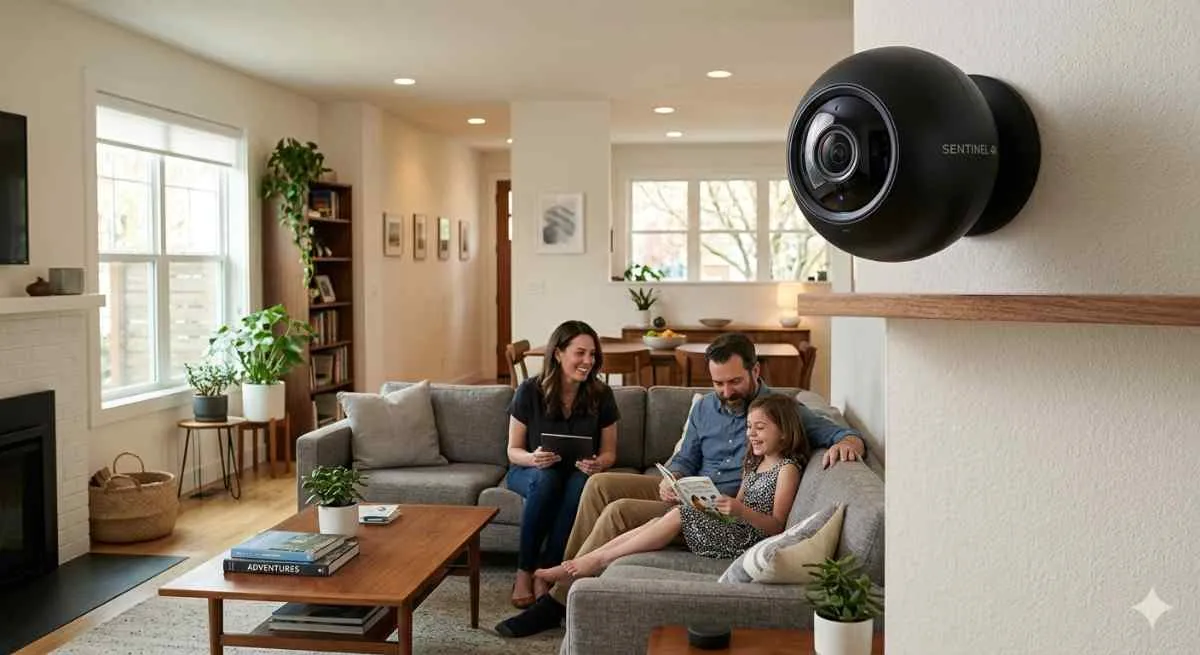
Smart Home Security Camera
Monitor your property with live video and motion alerts directly to your phone.
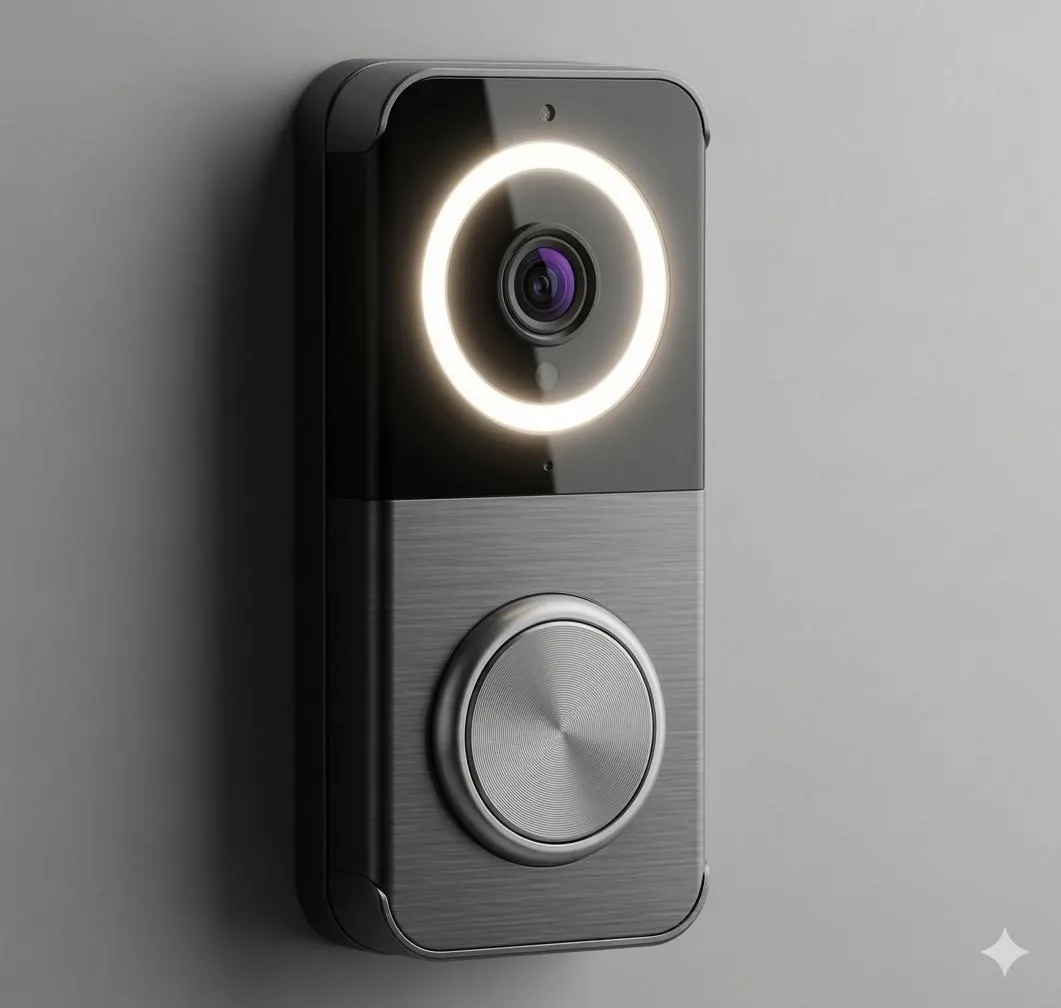
Smart Doorbell Camera
See who is at your door anytime with live video and two-way audio.
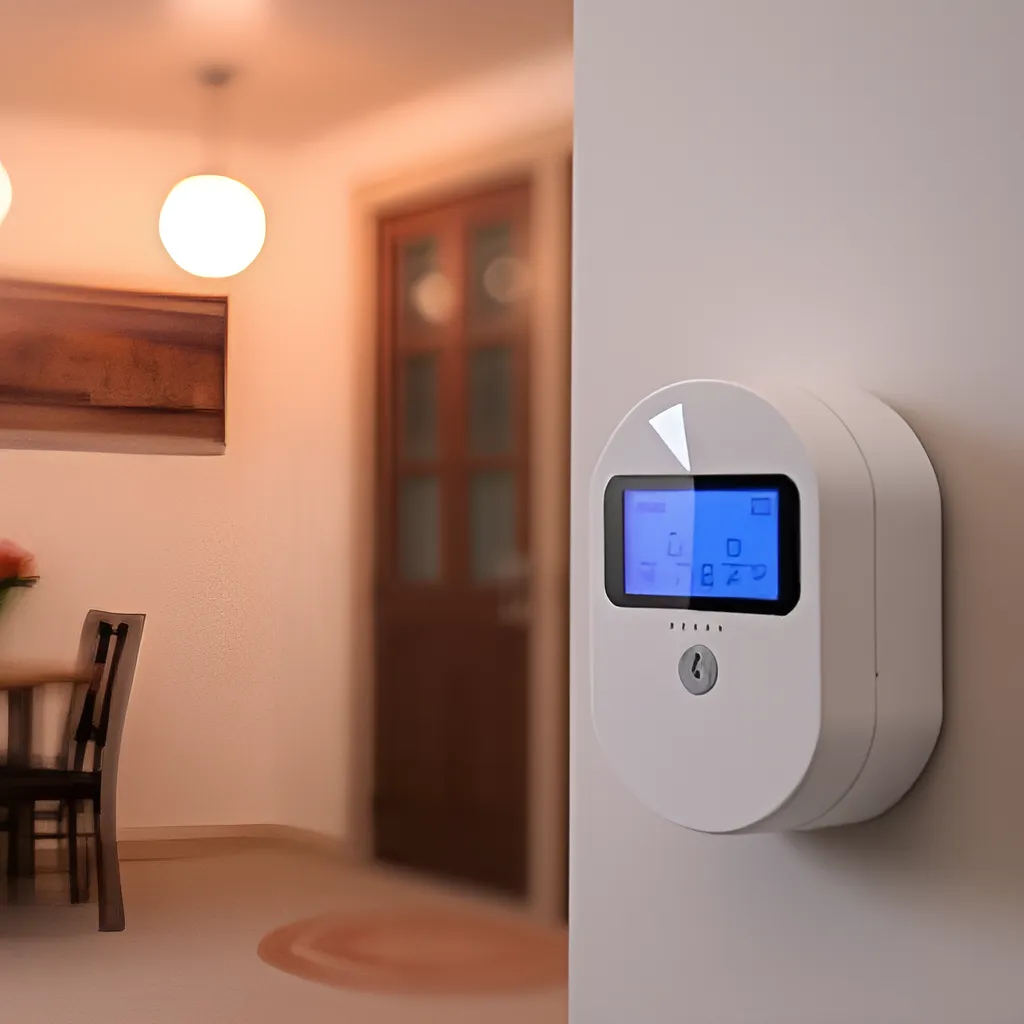
Home Alarm Systems
Instant alerts, loud siren, motion and door sensors with 24/7 monitoring.
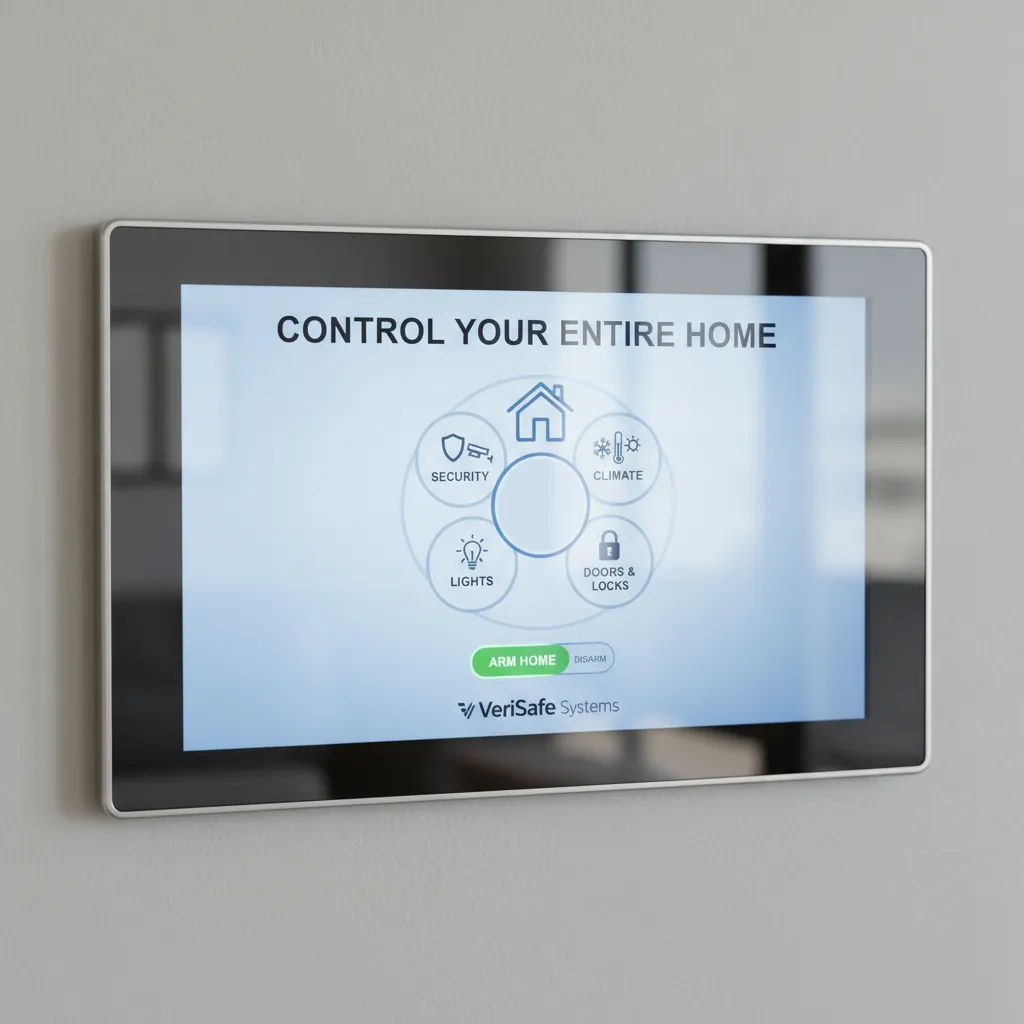
Home Security System Panel
Control your entire home security system from one place with a smart home security panel.