1. Home Security System Cost by Type
Before doing anything else, walk around the outside of your home and ask yourself: where would I enter if I had to get inside quickly and quietly without being seen?
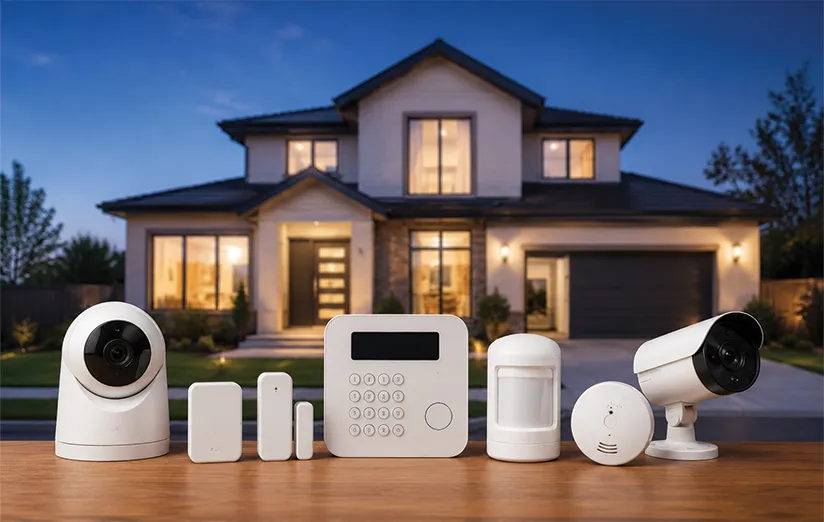
| System Type | Equipment Cost | Installation | Monthly Monitoring | Best For |
|---|---|---|---|---|
| DIY Basic (Ring, SimpliSafe) | $130 – $500 | $0 (self-install) | $0 – $20/month (self-monitor) | Apartments, renters, small homes |
| Mid-Range Professional | $500 –$1,000 | $99 – $300 | $20 – $40/month | 3-bedroom homes, families |
| Full Smart Home System | $1,000 – $2,500+ | $300 – $500+ | $40 – $80/month | Large homes, full automation |
DIY systems like Ring Alarm and SimpliSafe start around $130 – $300 for a basic starter kit. These typically include a hub, 1–2 door sensors, and a motion detector. That's enough for a studio or one-bedroom apartment — but not a full family home.
For a 3-bedroom house, you'd likely spend $300 – $500 on equipment alone to get adequate coverage. Add a self-monitoring app plan ($10 – $20/month) and you're looking at $420 – $740 in Year 1.
- Ring Alarm 5-piece kit : $199.99
- SimpliSafe starter : $249 – $300+
- Professional monitoring (Ring) : $19.99/month
A mid-range professionally installed system for a typical US home runs $500 – $1,000 for equipment plus $99 – $300 for installation. Monthly monitoring adds $20 – $40/month. This is the most popular option for US homeowners with a 3+ bedroom house. You get expert sensor placement, warranty support, and a system that's been tested before the technician leaves.
Comprehensive smart home systems — integrating cameras, smart locks, video doorbells, automation, and full professional monitoring — start at $1,000 and can reach $2,500+ for larger homes. Monthly monitoring for these plans runs $40 – $80/month. These are ideal for homeowners who want complete control from a single app and aren't concerned about the higher upfront cost.
2. Per-Device Cost Breakdown
If you're building a custom setup or adding to an existing system, here is what individual devices cost in 2026:
| Device / Component | Typical Cost Range |
|---|---|
| Control panel / alarm hub | $50 – $200 |
| Door and window sensors (each) | $25 – $100 |
| Motion sensors (each) | $30 – $150 |
| Indoor security cameras (each) | $30 – $180 |
| Outdoor security cameras (each) | $100 – $250 |
| Outdoor floodlight cameras (each) | $130 – $270 |
| Glass break sensors (each) | $100 – $200 |
| Smart lock | $100 – $300 |
| Video doorbell | $99 – $250 |
| Professional monitoring (monthly) | $20 – $80 |
| Alarm permit (local — one time/annual) | $25 – $100 |
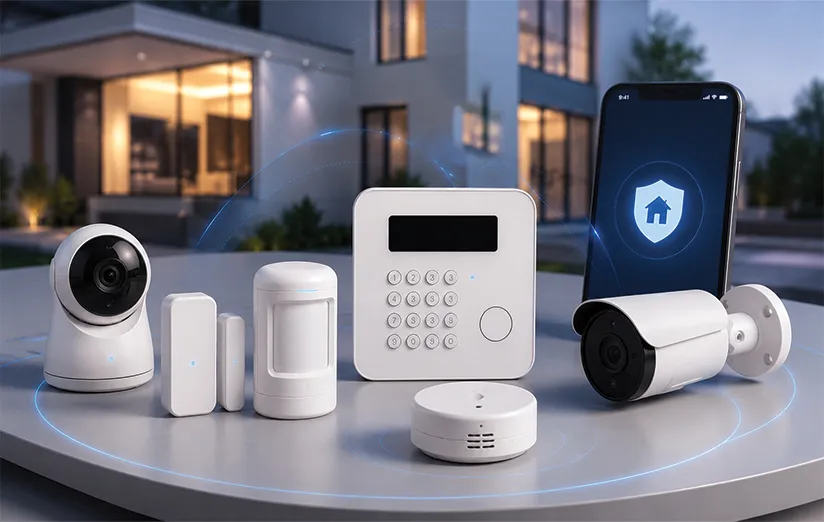
Brocus Insight : Buying devices as part of a bundled kit almost always costs less than purchasing them individually. A 5-piece bundle from Ring saves approximately $45 vs. buying each device separately. Always compare bundle vs. individual pricing before purchasing.
3. Monthly Monitoring Costs Explained
This is where many homeowners get surprised. The equipment cost is a one-time purchase — monitoring is what you pay every month, indefinitely.
- Self-monitoring (free): You receive phone alerts and must respond yourself. No one dispatches police if you don't see the notification. Free, but risky if you travel or sleep through an alert.
- App-based monitoring ($10 – $20/month): Adds features like cloud video storage, smart notifications, and remote access. Still self-monitored — no professional response.
- Professional 24/7 monitoring ($20 – $80/month): A trained monitoring center watches your system around the clock. If your alarm triggers and you're unreachable, they dispatch emergency services. This is what most security experts recommend for family homes.
The most popular professional monitoring plans in 2026 range from $20 – $45/month for standard coverage. ADT starts at $24.99/month. SimpliSafe's professional plan runs $29.99/month. Ring offers professional monitoring for $19.99/month.
Important: Watch for Contracts Many providers — especially ADT and Vivint — require 2–3 year contracts for professionally monitored systems. Early termination fees can be 75%–100% of your remaining contract balance. Always confirm contract length and cancellation terms before signing.
4. Installation Costs — What You Actually Pay
Installation cost depends on whether you go DIY or professional, and how complex your setup is.
Cost: $0. You install everything yourself. Most modern DIY systems like Ring and SimpliSafe are designed to be set up in under an hour without any tools. If you get stuck, most brands offer free video call support with a technician.
Professional installation typically runs $99 – $500 depending on the size of your home and the number of devices. Some providers include installation free with a monitoring contract.
- Basic setup (apartment / small home) : $99 – $200
- Standard home (3–4 bedrooms) : $200 – $400
- Large home with cameras and smart devices : $400 – $500+
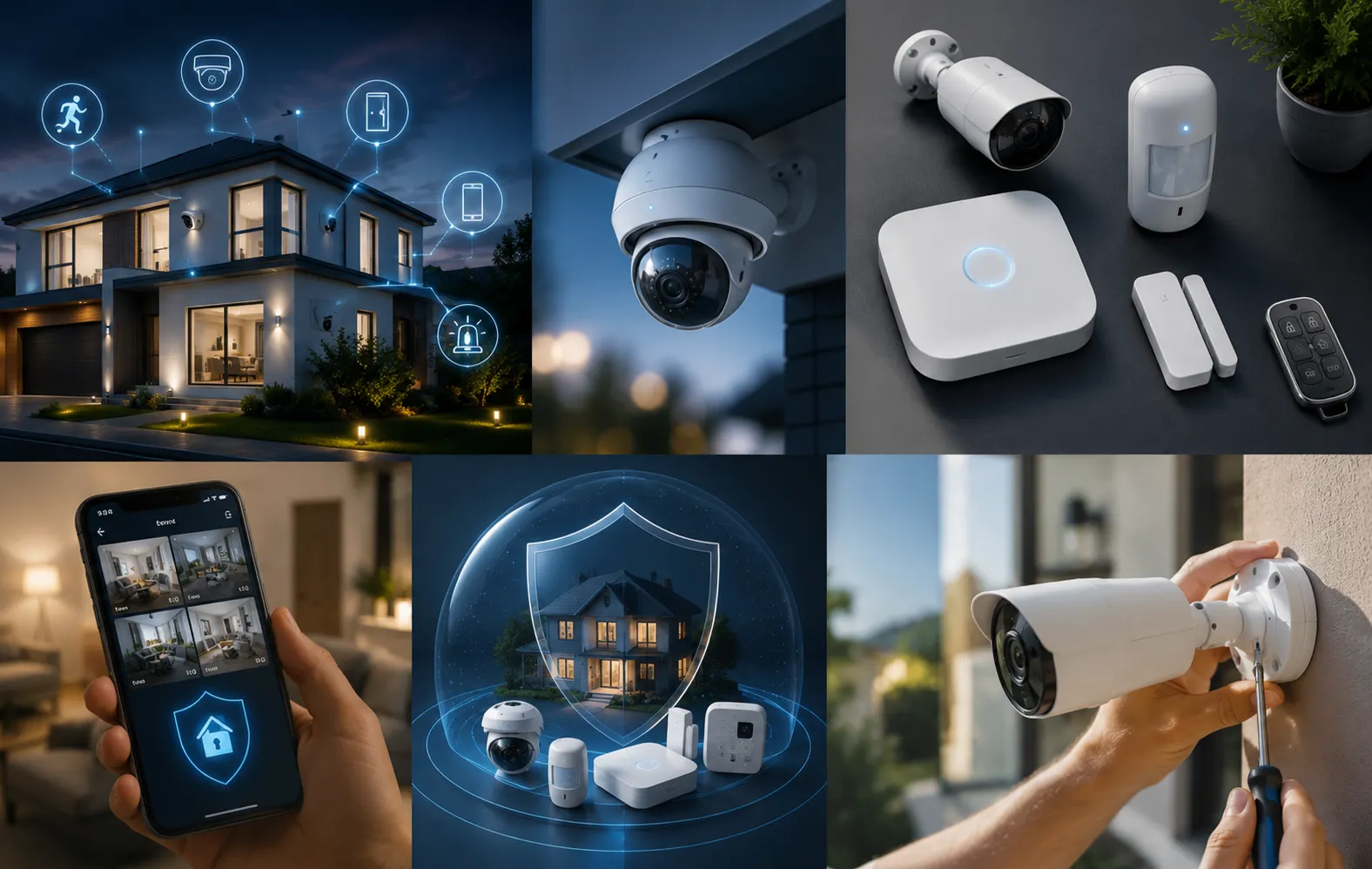
If a general contractor supervises the installation (e.g., for hardwired systems), add an additional 13% – 22% to the total installation cost.
Brocus Recommendation : Professional installation isn't just about convenience — it's about placement. A technician assesses your home's layout and positions every sensor in the optimal location. Poor DIY placement is one of the most common reasons security systems fail to detect intrusions.
5. Hidden Costs Most People Miss
These costs rarely appear in the headline price and catch many homeowners off guard. Plan for them upfront:
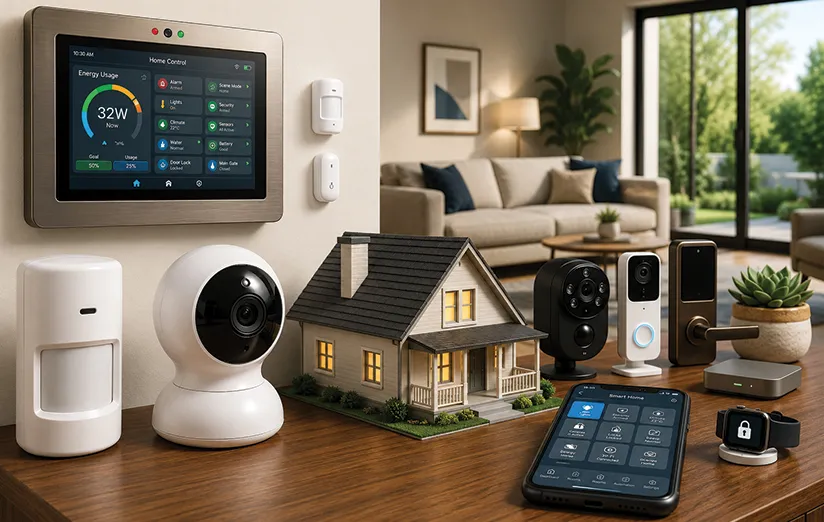
Many US cities and counties require you to register your alarm system with local authorities. Permit costs range from $25 – $100, often with an annual renewal fee. Some areas charge false alarm fees ($25 – $100 per call) if police respond to repeated false alarms from your address.
Many security camera systems offer cloud storage as a paid subscription for video playback and history. Without it, some systems may only provide live viewing or limited storage.
If you sign a monitoring contract (common with ADT, Vivint, and similar providers), cancelling early can cost 75% – 100% of your remaining contract balance. On a 3-year contract at $40/month, that could be $720+ in fees if you cancel after Year 1.
Some monitored systems charge an activation fee of $0 – $230 to start the service. Always ask about this before signing up — some companies waive it entirely for new customers.
Batteries in wireless sensors typically last 2–5 years. Outdoor cameras have a shorter lifespan in extreme weather. Budget for occasional equipment replacement, especially for battery-powered devices.
6. Your True Year 1 Cost (Full Breakdown)
Here is what US homeowners actually pay in their first full year — including all the costs above:
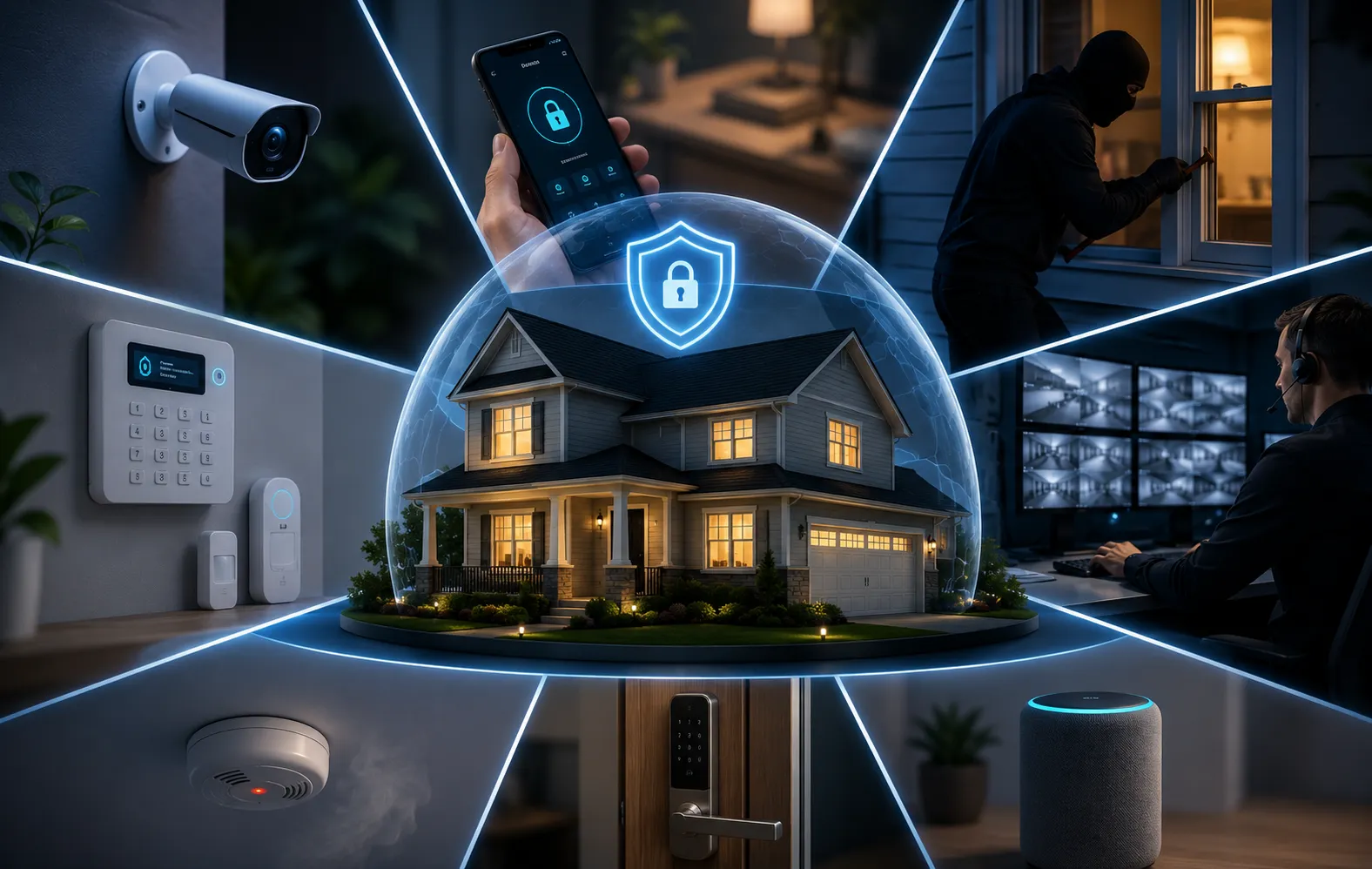
| Budget Level | Equipment | Installation | Monitoring (12 mo.) | Permits/Extras | Year 1 Total |
|---|---|---|---|---|---|
| Budget DIY | $130 – $300 | $0 | $0 – $240 | $0 – $50 | $130 – $590 |
| Mid-Range | $500 – $800 | $99 – $300 | $240 – $480 | $25 – $100 | $864 – $1,680 |
| Full Professional | $1,000 – $2,500 | $300 – $500 | $480 – $960 | $50 – $100 | $1,830 – $4,060 |
This is why comparing just the equipment price is misleading. A $200 DIY kit with a $20/month monitoring plan costs you $440 in Year 1 minimum — and that's before permits, cloud storage, or anything else.
The Long-Term View : DIY systems can look cheaper upfront, but professional systems often cost less long-term when you factor in included maintenance, equipment longevity, and insurance savings (see next section). Do the math for all 3 years before deciding.
7. How a Security System Can Lower Your Home Insurance
This is the section most cost guides leave out — and it's one of the most important parts of the real cost calculation. Installing a monitored home security system can reduce your homeowners insurance premium by 5% – 20% per year, depending on your insurer and your system's features.
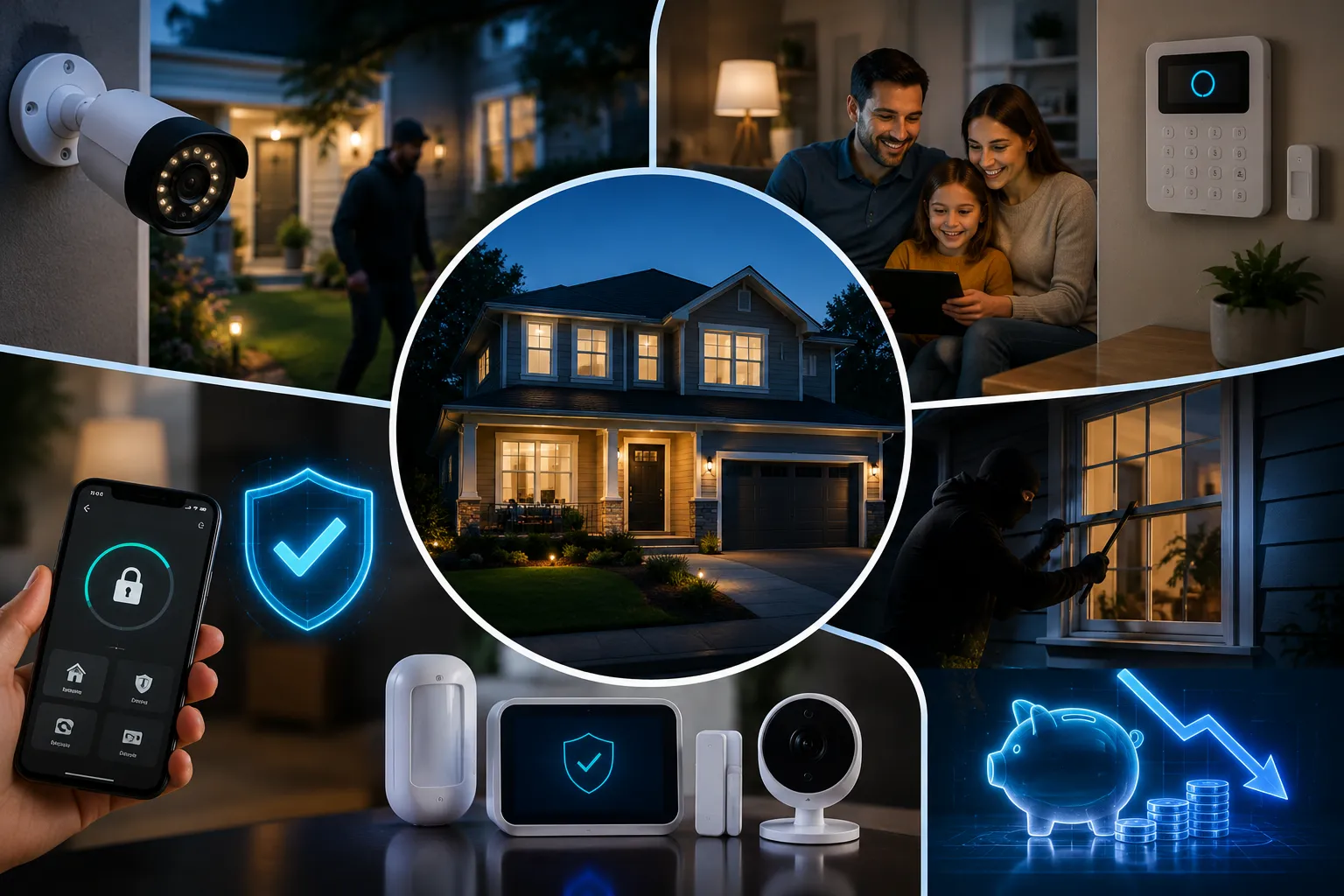
| Security Setup | Typical Insurance Discount |
|---|---|
| Basic deadbolts + standalone alarm | 2% – 5% |
| Wireless DIY system (self-monitored) | 5% – 10% |
| Professionally monitored system | 10% – 15% |
| Full system: monitoring + cameras + smoke/CO | Up to 20% |
The national average homeowners insurance premium in 2026 is approximately $2,300/year. At a 10% discount, that's $230 back in your pocket annually. At 15%, that's $345/year — more than the cost of basic professional monitoring. Over 3 years, a 10% insurance discount on a $2,300/year policy saves you $690 — which could offset a significant portion of your initial equipment cost.
- Professional 24/7 monitoring (most important factor for larger discounts)
- Entry sensors on all exterior doors
- Cameras covering main entry points
- Fire/smoke and CO detectors (separate or integrated)
- A monitoring certificate from your security provider (most companies issue this on request)
Action Step : Once your system is installed and monitoring is active, contact your insurance agent and ask about available discounts. Request a monitoring certificate from your security provider — most issue this automatically or on request. Send it to your insurer to update your policy.
8. What Does It Actually Cost to Secure a 3-Bedroom Home?
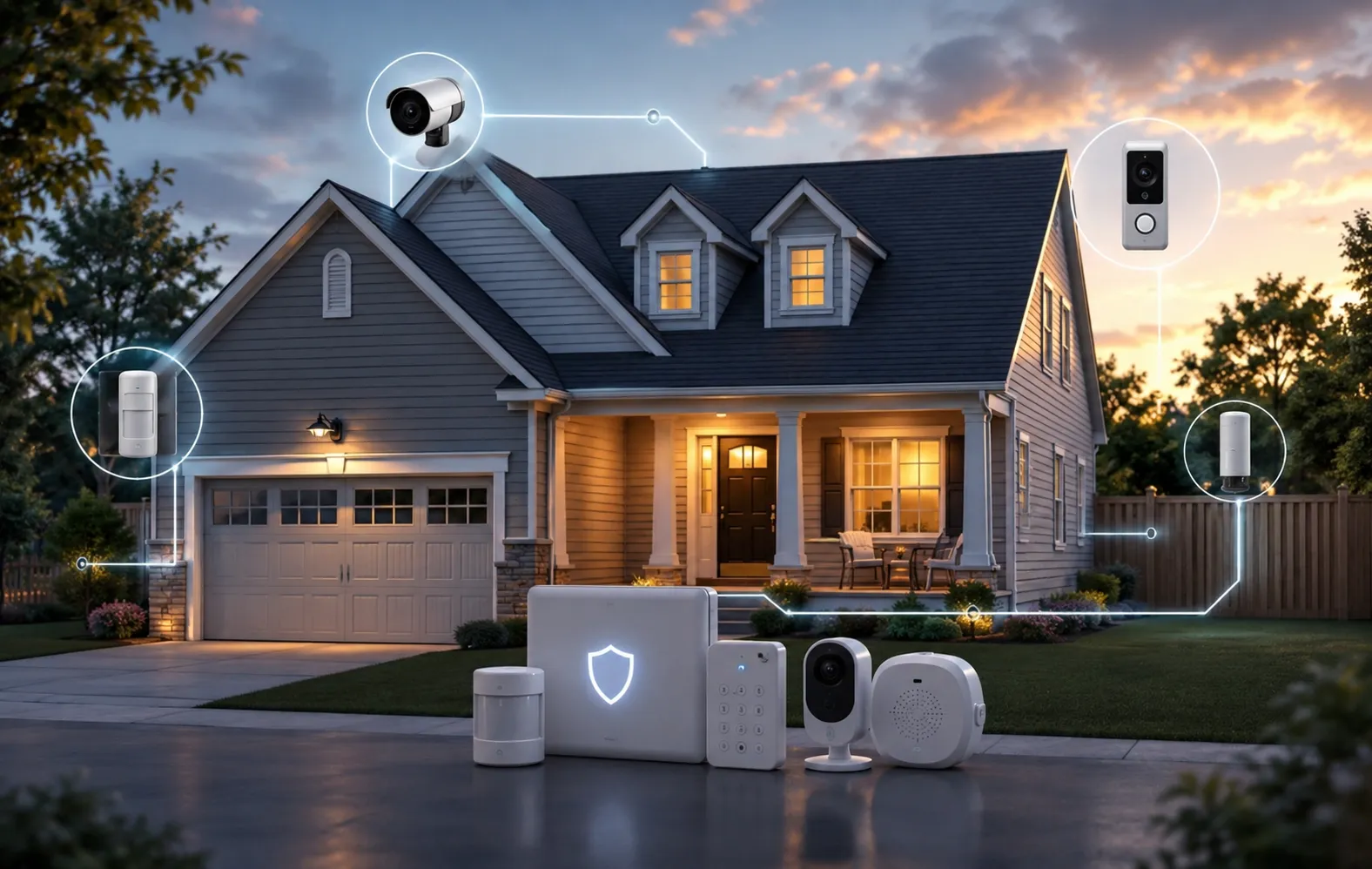
This is the question most US homeowners have but almost no cost guide answers directly. Here is a realistic, itemized example for a typical 3-bedroom, 2-bathroom US home with a garage and backyard:
- 1 control panel / alarm hub
- 4 door and window sensors (front door, back door, garage entry, 1 ground-floor window)
- 2 motion sensors (living room, hallway)
- 2 outdoor cameras (front entrance, backyard)
- 1 video doorbell
| Cost Category | Estimated Cost Range |
|---|---|
| Equipment | $600 – $900 |
| Professional installation | $200 – $350 |
| Monthly monitoring (12 months) | $240 – $480 |
| Alarm permit | $25 – $50 |
| Year 1 Total | $1,065 – $1,780 |
After Year 1, your ongoing cost drops to just the monthly monitoring fee ($20 – $40/month) — no equipment or installation costs. Many homeowners find that insurance savings offset a significant portion of this recurring cost.
9. How to Get the Right System Without Overpaying
Here are the five most effective ways to get great home security without wasting money:
- Start with a professional assessment, not a product. Know what your home needs before buying anything. A free consultation from a security advisor (like Brocus) saves you from buying devices you don't need.
- Compare bundles vs. individual devices. Bundled kits from Ring, SimpliSafe, and others are almost always cheaper than buying devices individually. Price it both ways before purchasing.
- Ask about contract-free options. Many providers now offer month-to-month monitoring. Yes, it costs slightly more per month — but you're not locked in for 3 years.
- Factor in insurance savings before comparing plans. A professional monitoring plan that costs $40/month but saves you $230/year on insurance is effectively costing you $20.83/month in real terms.
- Don't over-buy for the wrong home. A studio apartment doesn't need the same setup as a 4-bedroom house. Match your system to your actual home, not a package preset.