1. Security System Requirements by Home Type
Use the table below as your starting point. Device counts and monitoring recommendations are based on typical layouts for each home type. Your specific floor plan may require adjustment.
| Home Type | Min Devices | Recommended Monthly Monitoring | Key Priorities |
|---|---|---|---|
| Studio / 1BR Apartment | 3 to 5 | Self-monitor or $20/month | Front door, 1 motion sensor, 1 window sensor |
| 2BR Apartment | 5 to 8 | $20 to $30/month | Door sensors, 2 window sensors, motion sensor |
| Townhouse / 2BR Home | 8 to 12 | $25 to $40/month | All entry points, outdoor camera, motion sensors |
| 3BR Family Home | 12 to 18 | $30 to $45/month | Full perimeter, multiple motion sensors, video doorbell |
| 4BR+ Large Home | 18 to 25+ | $40 to $60/month | Full zone coverage, multiple cameras, premium monitoring |
| Vacation / Second Home | 10 to 16 | $40 to $60/month (critical) | Perimeter cameras, cellular backup, premium monitoring |
| Corner / End-of-Terrace | 10 to 16 | $30 to $45/month | Extra side/rear coverage — more blind spots than mid-terrace |
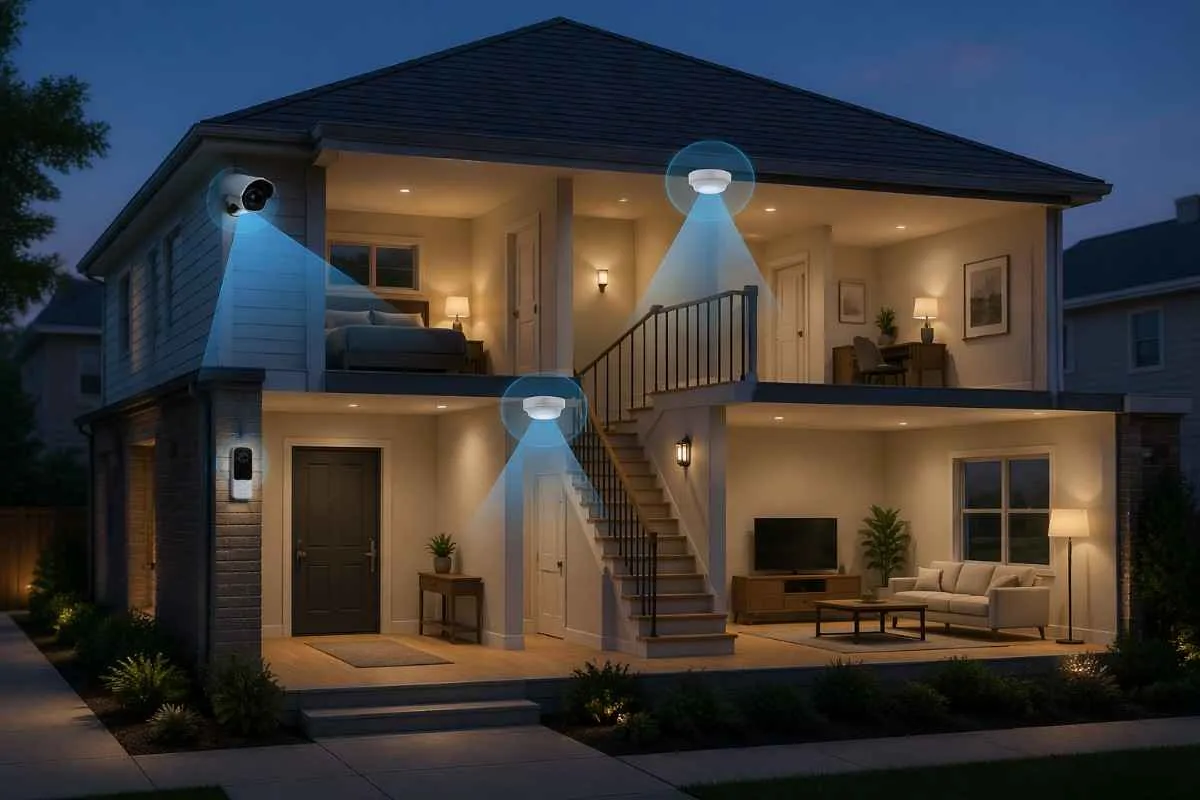
If you only have one or two motion sensors, place them here. One sensor in the main hallway and one at the top of a staircase can cover most intrusion paths in a typical 2-story home.
2. Studio, 1-Bedroom, and 2-Bedroom Apartments
Apartments have 1 to 2 meaningful entry points and lease restrictions that rule out drilling or hardwiring. The focus is a portable, no-drill setup covering the front door, accessible ground-floor windows, and one interior motion sensor. No long-term contract is needed since your lease determines how long you stay.
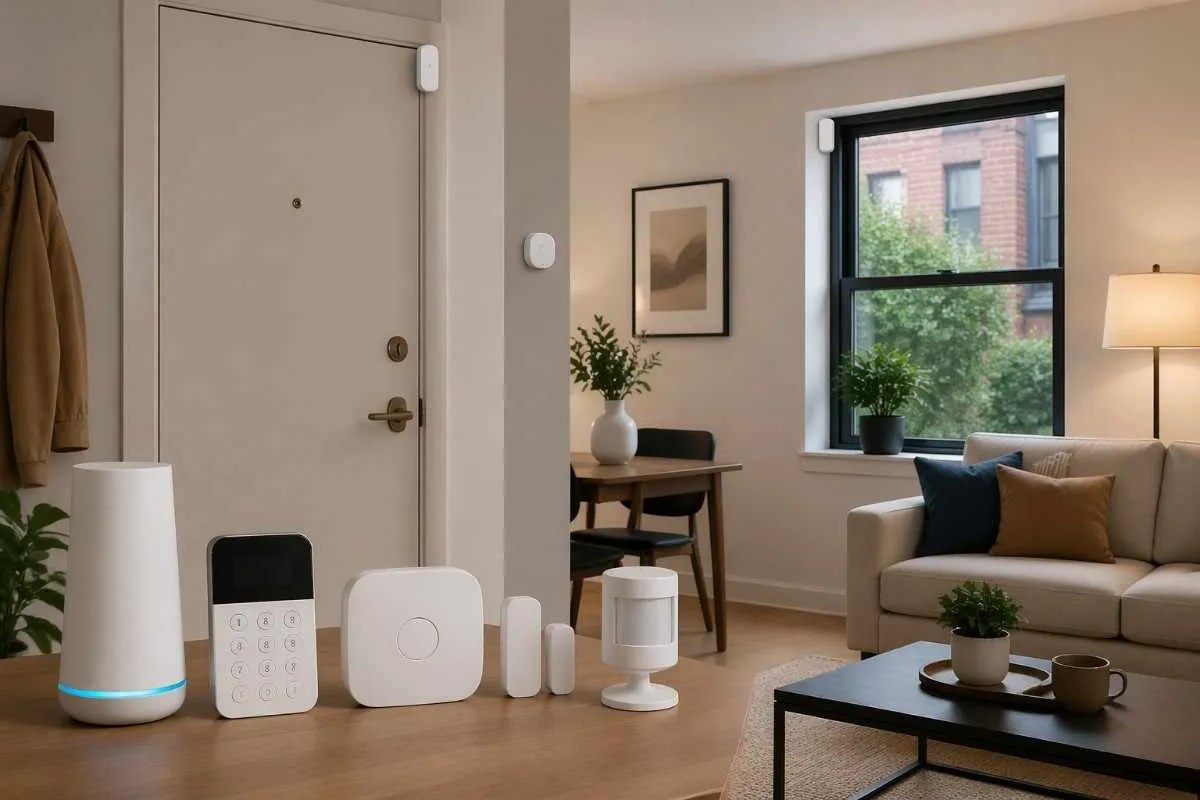
Best systems: SimpliSafe, Ring, Cove, Abode. All use peel-and-stick adhesive mounting with no drilling required. Professional monitoring is available on all four platforms with no contract. For the complete renter vs homeowner comparison including system recommendations, no-drill options, and landlord approval guidance, see the dedicated blog below.
3. Townhouses and Multi-Level Homes
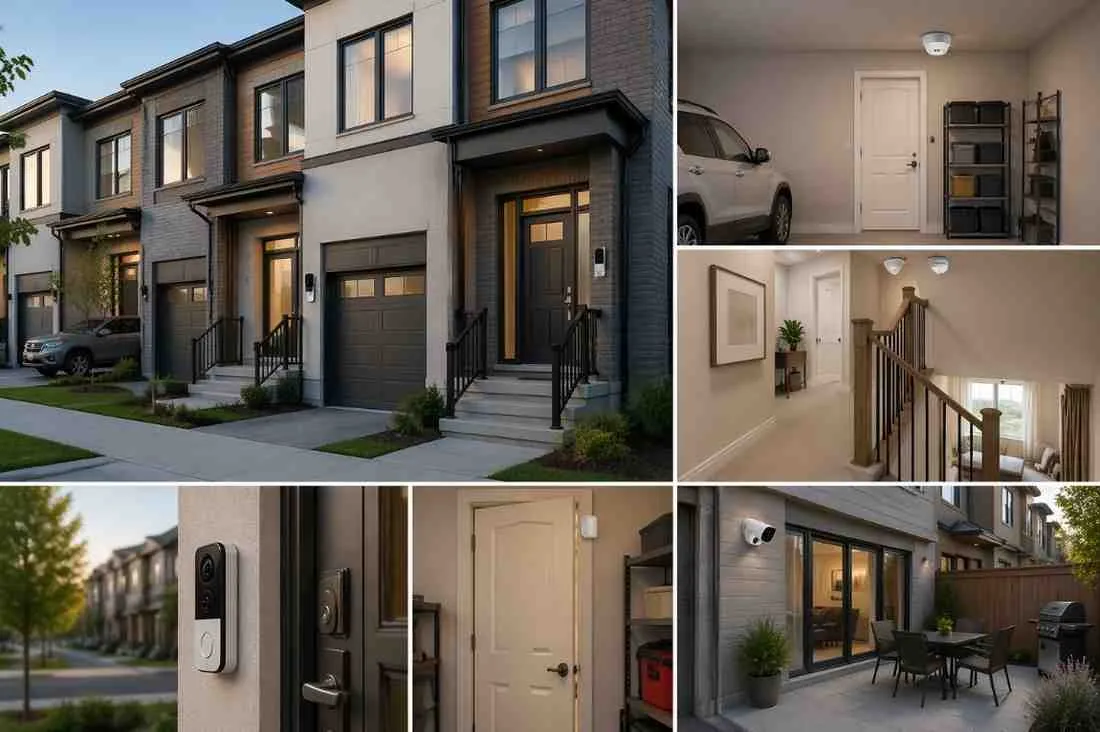
Townhouses present a unique security challenge because they often have a garage entry, a front door, and a back patio door in addition to multiple floors. They share walls with neighbours, which affects camera placement decisions but not sensor placement.
4. Large Homes (4 Bedrooms and Above)
Large homes require a fundamentally different approach. More doors, more windows, more blind spots on every side, and more distance between zones means a standard starter kit leaves major gaps. The typical setup requires 18 or more devices, 6 to 10 outdoor cameras, professional installation to eliminate placement errors, and premium 24/7 monitoring.
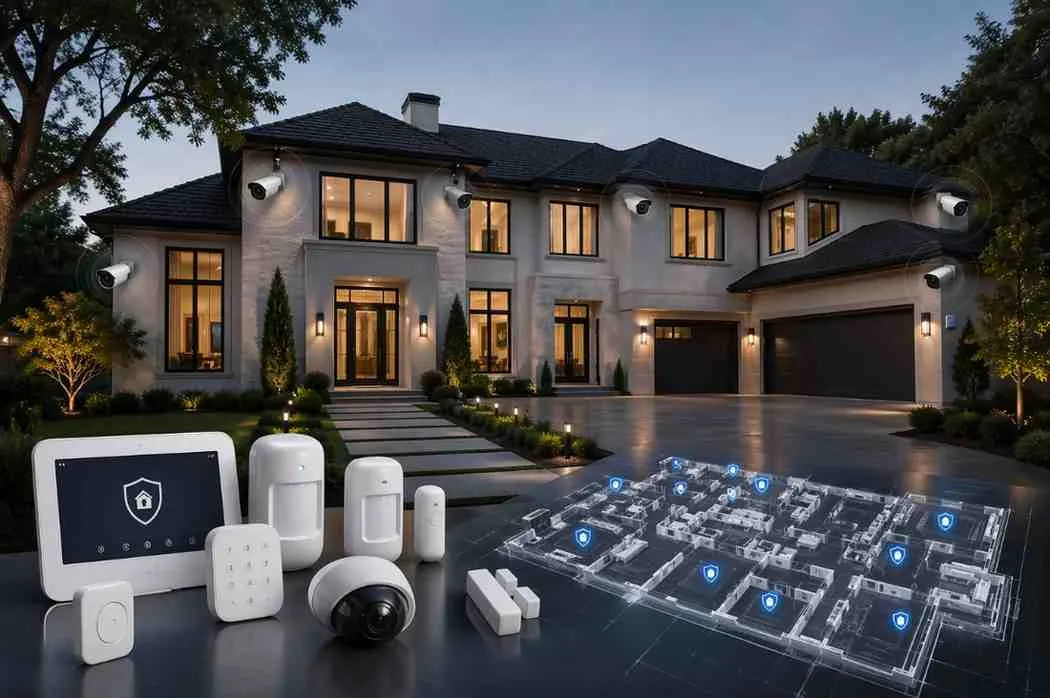
Professional installation is strongly recommended for 4-bedroom and larger properties. DIY placement in a large home with multiple hallways, staircase landings, and exterior passages is the most common source of coverage blind spots. For the complete zone-by-zone guide including device lists, camera counts, and cost estimates for large properties, see the dedicated blog below.
5. Vacation Homes and Second Properties
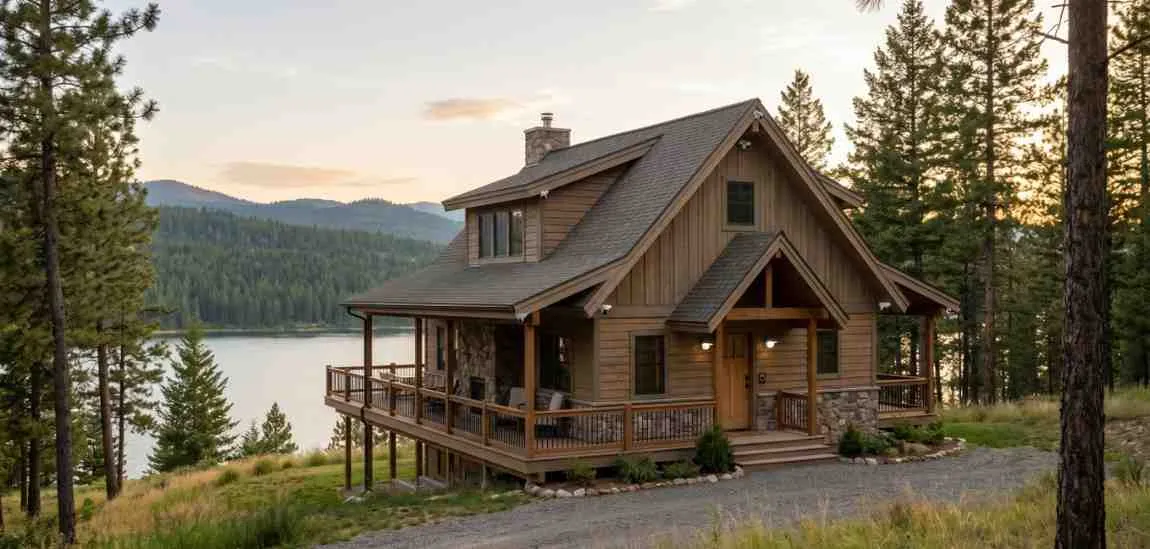
Vacation homes have a specific security profile that differs from primary residences in one critical way: the home is empty for extended periods, often weeks at a time. This makes professional monitoring non-optional and cellular backup essential.
| Key Elements | Vacation Home Security |
|---|---|
| Professional 24/7 monitoring | No one is there to respond to self-monitoring alerts. |
| Cellular backup | Internet and phone lines may be disconnected during vacancy periods. |
| Outdoor cameras with motion detection alerts | Provides perimeter coverage while empty. |
| Smart locks | Allows remote access management without physical key distribution. |
| Smoke, CO, and water leak sensors | Environmental emergencies in empty properties cause enormous damage. |